Introduction
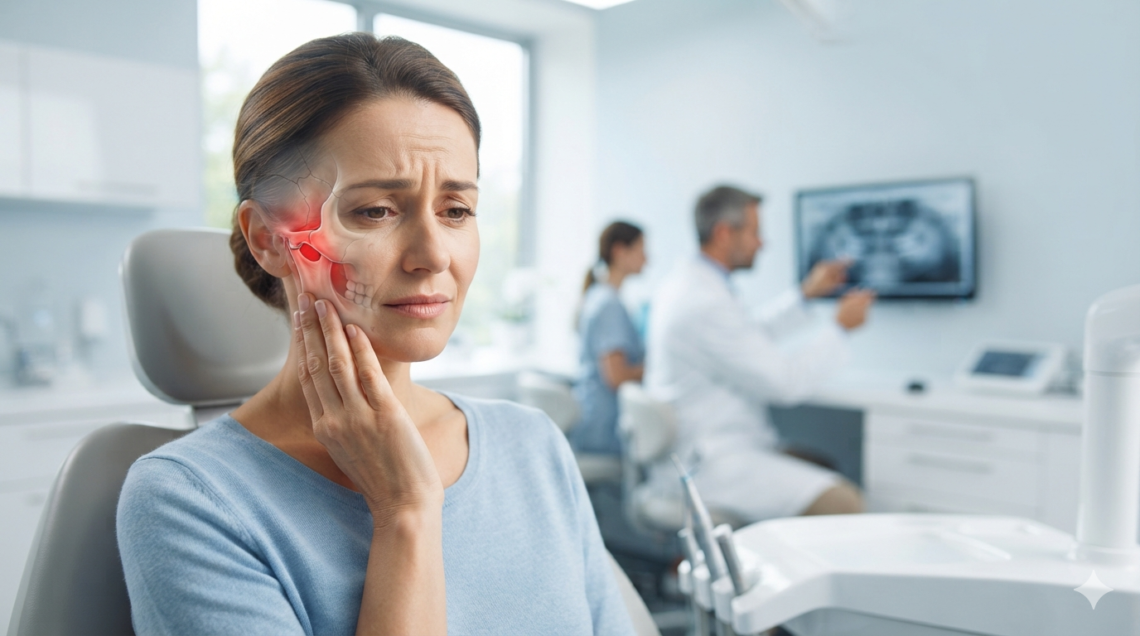
Have you ever noticed a clicking sound when opening your mouth, experienced jaw pain while chewing, or struggled to fully open your mouth after waking up? These symptoms may be signs of temporomandibular joint disorder (TMJ disorder), often referred to as TMD (temporomandibular disorders).
The temporomandibular joint is one of the most complex joints in the human body. It connects the lower jaw (mandible) to the skull and allows you to speak, chew, yawn, swallow, and make facial expressions. Because this joint is used hundreds or even thousands of times each day, problems affecting it can significantly impact daily life.
TMJ disorders are common and can affect people of all ages, although they are seen more frequently in adults between the ages of 20 and 40. While many cases improve with conservative treatment, persistent symptoms should always be evaluated by a dentist or another qualified healthcare professional to rule out more serious conditions.
What Is the Temporomandibular Joint (TMJ)?
The temporomandibular joint (TMJ) is located on each side of your face, just in front of your ears.
It connects:
- The lower jaw (mandible)
- The temporal bone of the skull
Each joint contains:
- Bone surfaces
- A small cushioning disc
- Ligaments
- Muscles
- Synovial fluid that helps the joint move smoothly
Unlike many other joints, the TMJ performs both hinge and sliding movements, allowing you to:
- Open and close your mouth
- Chew food
- Speak
- Yawn
- Move your jaw forward, backward, and side to side
Because these movements occur continuously throughout the day, the TMJ experiences considerable mechanical stress.
Did You Know?
💡 The temporomandibular joint is one of the most frequently used joints in the body. Every conversation, meal, yawn, and swallow requires coordinated movement of both TMJs and multiple facial muscles.
What Is TMJ Disorder?
TMJ disorder is not a single disease but a group of conditions affecting the jaw joint, chewing muscles, or surrounding tissues.
A TMJ disorder may involve:
- Joint inflammation
- Muscle tension
- Disc displacement
- Arthritis affecting the joint
- Injury to the jaw
- Excessive strain from teeth grinding (bruxism)
Symptoms may develop gradually or appear suddenly following trauma or increased muscle tension.
Some people experience only mild discomfort, while others develop chronic pain and reduced jaw function.
Common Symptoms of TMJ Disorder
TMJ disorders can present differently from person to person.
The most common symptoms include:
Jaw Pain
Pain may occur:
- Around the ear
- In front of the ear
- Along the jawline
- During chewing
- When opening the mouth widely
Clicking or Popping Sounds
Some people hear:
- Clicking
- Popping
- Grinding
when moving their jaws.
These sounds may occur with or without pain.
Jaw Locking
The jaw may:
- Lock open
- Lock closed
- Feel temporarily stuck
- Be difficult to move after waking up
Morning jaw stiffness or locking can have several possible causes. Learn more in Why Does My Jaw Lock Slightly After Waking Up?
Difficulty Chewing
Some patients experience:
- Pain while chewing
- Fatigue of jaw muscles
- Discomfort when eating hard foods
- Reduced bite strength
Facial Pain
Pain may spread to:
- The cheeks
- Temples
- Neck
- Shoulders
Because several conditions can cause facial pain, a professional evaluation is important for an accurate diagnosis.
Headaches
Some individuals with TMJ disorders report headaches, particularly around the temples or after prolonged jaw clenching or teeth grinding.
Ear Symptoms
TMJ disorders may also be associated with:
- Ear discomfort
- A feeling of fullness in the ear
- Ringing in the ears (tinnitus) in some individuals
Because ear symptoms have many possible causes, persistent symptoms should be evaluated by a healthcare professional.
When Are TMJ Symptoms Serious?
Occasional jaw clicking without pain is not always a sign of a serious disorder.
However, you should schedule a dental evaluation if you experience:
- Persistent jaw pain
- Limited mouth opening
- Jaw locking
- Difficulty chewing
- Swelling around the jaw
- Pain that lasts more than a few days
- Symptoms that interfere with eating or speaking
Early assessment can help identify the underlying cause and guide appropriate treatment. Not every type of oral pain is caused by the jaw joint. If your discomfort is triggered by cold drinks instead, read Why Do My Teeth Hurt When I Drink Cold Water? to explore other possible dental causes.
Expert Tip
Keep a symptom diary before your dental appointment. Note when the pain occurs, what makes it worse, whether you hear clicking, and if you grind or clench your teeth. This information can help your dentist identify potential triggers and develop an appropriate treatment plan.
What Causes TMJ Disorder?
TMJ disorders do not always have a single identifiable cause. Instead, they often develop from a combination of factors affecting the jaw joint, chewing muscles, and surrounding tissues.
Below are some of the most common causes.
1. Teeth Grinding and Jaw Clenching (Bruxism)
One of the leading contributors to TMJ disorders is bruxism, the unconscious habit of grinding or clenching the teeth.
Bruxism may occur:
- During sleep
- While concentrating
- During periods of emotional stress
- Without the person realizing it
Repeated grinding places excessive pressure on:
- Jaw muscles
- Temporomandibular joints
- Teeth
- Supporting ligaments
Over time, this can lead to jaw pain, muscle fatigue, headaches, and limited jaw movement.
2. Stress and Muscle Tension
Stress does not directly cause TMJ disorder, but it can increase muscle tension and jaw clenching in many individuals.
People under prolonged stress may unconsciously:
- Tighten facial muscles
- Clench their teeth
- Grind during sleep
These habits can overload the jaw muscles and contribute to TMJ symptoms.
3. Jaw Injury or Trauma
A blow to the face, sports injury, fall, or motor vehicle accident may damage the jaw joint or surrounding tissues.
Possible injuries include:
- Ligament strain
- Muscle injury
- Disc displacement
- Joint inflammation
- Bone fractures
Symptoms may appear immediately or develop gradually during recovery.
4. Arthritis
Like other joints in the body, the TMJ can be affected by arthritis.
Common types include:
- Osteoarthritis
- Rheumatoid arthritis
These conditions may cause:
- Joint stiffness
- Pain
- Reduced movement
- Joint degeneration over time
5. Disc Displacement
A small cartilage disc normally cushions the jaw joint.
If this disc moves out of its normal position, patients may experience:
- Clicking
- Popping
- Jaw locking
- Pain
- Limited opening
Not every displaced disc causes symptoms, but persistent discomfort should be evaluated professionally.
6. Bite Changes
Changes affecting how the upper and lower teeth come together may increase stress on the jaw muscles and joints in some individuals.
Possible contributing factors include:
- Missing teeth
- Worn restorations
- Significant tooth wear
- Changes following dental trauma
The relationship between bite changes and TMJ disorders varies from person to person, so a comprehensive dental examination is important before assuming they are the primary cause.
Who Is More Likely to Develop TMJ Disorder?
Although TMJ disorders can affect anyone, certain factors may increase the likelihood of developing symptoms.
These include:
- Frequent teeth grinding
- Chronic jaw clenching
- High stress levels
- Previous jaw injury
- Arthritis affecting the joints
- Family history of joint disorders
- Connective tissue disorders
- Habitual nail biting or chewing hard objects
Having one or more of these risk factors does not necessarily mean a person will develop TMJ disorder, but they may increase susceptibility.
Did You Know?
💡 Many people occasionally hear a clicking sound when opening their mouth without experiencing pain or limited movement. A painless click alone does not always require treatment, but persistent pain, locking, or reduced jaw function should be assessed by a dentist.
How Dentists Diagnose TMJ Disorder
Diagnosing TMJ disorder begins with a detailed medical and dental history, followed by a thorough clinical examination.
Your dentist may ask questions such as:
- When did the pain begin?
- Does the jaw click or lock?
- Is the pain constant or intermittent?
- Do headaches accompany the symptoms?
- Do you grind or clench your teeth?
- Have you experienced recent facial trauma?
Clinical Examination
During the examination, the dentist may evaluate:
- Jaw movement
- Mouth opening
- Jaw alignment
- Muscle tenderness
- Joint sounds (clicking or popping)
- Bite relationship
- Tooth wear associated with grinding
Imaging
Depending on the findings, additional imaging may sometimes be recommended, such as:
- Panoramic X-rays
- Cone Beam CT (CBCT)
- MRI (particularly for soft tissue or disc evaluation)
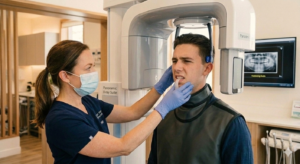
Imaging is generally reserved for situations where it may influence diagnosis or treatment planning.
Treatment Options for TMJ Disorder
Treatment depends on the underlying cause and the severity of symptoms.
Many patients improve with conservative, non-surgical care.
Self-Care Measures
Simple lifestyle changes may help relieve mild symptoms.
Examples include:
- Eating softer foods temporarily
- Avoiding excessive chewing (gum, ice, hard foods)
- Applying warm compresses
- Performing dentist-recommended jaw exercises
- Managing stress
- Maintaining good posture
- Avoiding extreme mouth opening
Night Guards
For patients with sleep-related teeth grinding, a custom-made night guard may help reduce stress on the teeth and jaw.
However, night guards are not appropriate for every patient, and they should only be recommended after a proper dental evaluation.
Medications
Depending on the diagnosis, a healthcare professional may recommend medications such as:
- Pain relievers
- Anti-inflammatory medications
- Muscle relaxants (in selected cases)
Patients should only use medications under professional guidance.
Physical Therapy
Some patients benefit from physical therapy focused on:
- Jaw mobility
- Muscle stretching
- Posture correction
- Controlled strengthening exercises
Dental Treatment
If dental conditions are contributing to symptoms, treatment may include:
- Repairing damaged teeth
- Replacing missing teeth where appropriate
- Managing severe tooth wear
- Addressing other oral health problems identified during the examination
Maintaining healthy teeth helps reduce unnecessary discomfort during everyday activities. Learn proper brushing techniques in Manual vs Electric Toothbrush: What’s Actually Better?.
How to Prevent TMJ Disorder
Although not every case of TMJ disorder can be prevented, adopting healthy habits can reduce strain on the jaw and lower the risk of developing chronic symptoms.
Reduce Teeth Grinding and Clenching
Many people clench their teeth without realizing it, especially during stressful situations or while sleeping.
To help reduce jaw tension:
- Keep your teeth slightly apart when not chewing.
- Rest your tongue gently against the roof of your mouth.
- Avoid clenching during concentration.
- Practice relaxation techniques if stress is a trigger.
If nighttime grinding is suspected, your dentist may recommend a custom-made night guard after a proper evaluation.
Avoid Overworking Your Jaw
The temporomandibular joint is designed for everyday activities such as speaking and eating—not continuous strain.
Try to avoid:
- Chewing ice
- Biting fingernails
- Chewing pens or pencils
- Opening packages with your teeth
- Excessive gum chewing
- Frequently eating very hard foods
Reducing unnecessary stress allows the jaw muscles and joints to recover.
Maintain Good Posture
Poor posture—especially while using computers or mobile devices—can place extra tension on the muscles of the neck, shoulders, and jaw.
Helpful habits include:
- Sitting with your shoulders relaxed
- Keeping screens at eye level
- Avoiding prolonged forward head posture
- Taking regular stretching breaks throughout the day
Improved posture may reduce muscle tension that contributes to jaw discomfort.
Perform Jaw Exercises Only Under Professional Guidance
Gentle stretching and strengthening exercises may benefit some patients with TMJ disorders.
However, exercises should only be performed after evaluation by a dentist or healthcare professional, as inappropriate exercises may worsen certain jaw conditions.
Did You Know?
💡 Many mild TMJ disorders improve over time with conservative treatments such as jaw rest, stress reduction, soft foods, and avoiding habits that overload the joint.
TMJ Disorder: Myths vs. Facts
Many misconceptions surround TMJ disorders.
| Myth | Fact |
| Every jaw click means you have TMJ disorder. | Many people experience painless clicking without requiring treatment. |
| TMJ disorder always requires surgery. | Most patients improve with conservative, non-surgical treatments. |
| Jaw pain is always caused by TMJ disorder. | Tooth infections, sinus problems, arthritis, and nerve conditions can also cause facial pain. |
| Wearing any over-the-counter mouthguard will cure TMJ. | Treatment should be based on a professional diagnosis. A night guard is not appropriate for every patient. |
| TMJ disorders only affect older adults. | TMJ disorders can occur at almost any age. |
When Should You See a Dentist?
Schedule a dental evaluation if you experience:
- Jaw pain lasting more than a few days
- Difficulty chewing
- Limited mouth opening
- Frequent jaw locking
- Persistent headaches associated with jaw movement
- Pain that interferes with eating or speaking
- Clicking accompanied by pain or reduced jaw function
- Facial swelling or worsening symptoms
Prompt evaluation can help identify the underlying cause and prevent symptoms from becoming more severe.
When Is Jaw Pain an Emergency?
Most TMJ disorders are not emergencies, but immediate medical or dental attention is recommended if you experience:
- Sudden inability to close or open your mouth
- Significant facial swelling
- Jaw pain following serious trauma
- Heavy bleeding after an injury
- Difficulty breathing or swallowing
- Signs of a severe dental infection, such as swelling with fever
These symptoms may indicate conditions requiring urgent evaluation. Not all severe oral pain originates from the jaw joint. Learn how dentists determine the best treatment for infected teeth in Root Canal vs Tooth Extraction.
Can Untreated TMJ Disorder Become Worse?
Some mild cases improve without extensive treatment, while others may become more persistent if contributing factors such as teeth grinding or chronic muscle tension are not addressed.
Potential complications include:
- Chronic jaw pain
- Reduced mouth opening
- Difficulty chewing
- Increased muscle tension
- Ongoing headaches
- Decreased quality of life
Early evaluation and appropriate management may help reduce the risk of long-term discomfort. Maintaining good overall oral health helps dentists distinguish TMJ-related pain from other dental conditions. If you’re planning restorative treatment, read How Much Does a Dental Filling Cost Without Insurance? to understand common treatment options.
How Dentists Help Manage TMJ Disorders
Depending on your diagnosis, your dentist may recommend:
- Monitoring mild symptoms
- Lifestyle modifications
- Bite assessment
- Custom occlusal splints (night guards) when appropriate
- Referral to a specialist for complex cases
- Coordination with physical therapists or other healthcare professionals if needed
Treatment plans are individualized because the causes and severity of TMJ disorders vary from person to person. Strict infection prevention protocols support safe examinations and dental procedures. Learn more in Best Practices for Infection Control in Dentistry.
Frequently Asked Questions (FAQs)
1. What is TMJ disorder?
TMJ disorder (temporomandibular disorder or TMD) refers to a group of conditions affecting the jaw joints, chewing muscles, or surrounding tissues. Symptoms commonly include jaw pain, clicking, stiffness, headaches, and difficulty opening or closing the mouth.
2. What are the first signs of TMJ disorder?
Early symptoms may include:
- Jaw clicking or popping
- Mild jaw discomfort
- Pain while chewing
- Morning jaw stiffness
- Facial muscle fatigue
- Occasional headaches near the temples
These symptoms can vary from person to person.
3. Can TMJ disorder go away on its own?
Some mild cases improve with self-care measures such as eating softer foods, reducing jaw strain, and managing stress. However, persistent or worsening symptoms should be evaluated by a dentist or another qualified healthcare professional.
4. Does teeth grinding cause TMJ disorder?
Teeth grinding (bruxism) can place extra stress on the jaw muscles and joints, making it a common contributing factor in some TMJ disorders. Not everyone who grinds their teeth develops TMJ disorder, but it can increase the risk of symptoms.
5. How is TMJ disorder diagnosed?
A dentist typically diagnoses TMJ disorder through:
- Medical and dental history
- Clinical examination
- Assessment of jaw movement
- Evaluation of muscle tenderness
- Bite analysis
Imaging studies, such as panoramic X-rays, CBCT scans, or MRI, may be recommended when additional information is needed.
6. Is surgery necessary for TMJ disorder?
In most cases, no. The majority of patients improve with conservative treatments, including lifestyle modifications, physical therapy, stress management, and custom-made oral appliances. Surgery is generally reserved for selected cases after careful evaluation.
7. Can stress make TMJ symptoms worse?
Yes. Emotional stress may contribute to jaw clenching, muscle tension, and teeth grinding, which can increase discomfort in people with TMJ disorders.
8. Should I wear a night guard for TMJ?
A custom-made night guard may benefit some patients who grind or clench their teeth during sleep. However, not everyone with TMJ disorder requires one, so it should only be used after a professional dental assessment.
9. When should I see a dentist for jaw pain?
Schedule a dental evaluation if you experience:
- Persistent jaw pain
- Jaw locking
- Difficulty chewing
- Limited mouth opening
- Frequent headaches associated with jaw movement
- Pain that affects eating, speaking, or sleeping
Early diagnosis can help identify the underlying cause and guide appropriate treatment.
10. Can TMJ disorder be prevented?
Not all cases can be prevented, but you can reduce your risk by:
- Avoiding excessive jaw clenching
- Managing stress
- Maintaining good posture
- Limiting gum chewing
- Avoiding chewing hard objects
- Seeking treatment for teeth grinding if recommended by your dentist
Conclusion
The temporomandibular joint plays an essential role in everyday activities such as speaking, chewing, swallowing, and yawning. When this joint or the surrounding muscles become strained or injured, even simple daily tasks can become uncomfortable.
Although TMJ disorders can be frustrating, they are often manageable with early diagnosis, conservative treatment, and healthy lifestyle habits. Recognizing symptoms such as persistent jaw pain, clicking accompanied by discomfort, limited mouth opening, or frequent jaw locking allows patients to seek care before the condition worsens.
If you experience ongoing jaw pain or suspect a TMJ disorder, don’t rely on self-diagnosis. A comprehensive dental evaluation can identify the underlying cause and help determine the most appropriate treatment plan for your individual needs.
Call-to-Action
Take Jaw Pain Seriously—Early Care Makes a Difference
Persistent jaw pain, clicking, stiffness, or locking should not be ignored. Seeking a professional dental evaluation early can help identify the underlying cause, relieve discomfort, and prevent symptoms from progressing.
Whether your symptoms are related to teeth grinding, muscle tension, or another jaw condition, working with a qualified dental professional can help you find the right treatment plan and restore comfortable jaw function.