Quick Answer
Mouthwash is helpful but not essential for most people. It reduces bacteria, freshens breath, and delivers fluoride or active ingredients to hard-to-reach areas. However, it does not replace brushing and flossing. The physical removal of plaque through mechanical cleaning is far more important than chemical rinsing. Different mouthwashes serve different purposes—antiseptic formulas fight gum disease, fluoride rinses strengthen enamel, and desensitizing varieties reduce tooth sensitivity. Choose based on your specific needs, not marketing claims. Overuse of alcohol-based rinses may dry oral tissues and disrupt healthy bacterial balance.
What This Article Covers
-
What mouthwash actually does versus what ads claim
-
Types of mouthwash and their real benefits
-
When mouthwash helps and when it wastes money
-
Potential downsides of daily use
-
How to choose the right product
-
Proper use for maximum benefit
What Mouthwash Actually Does
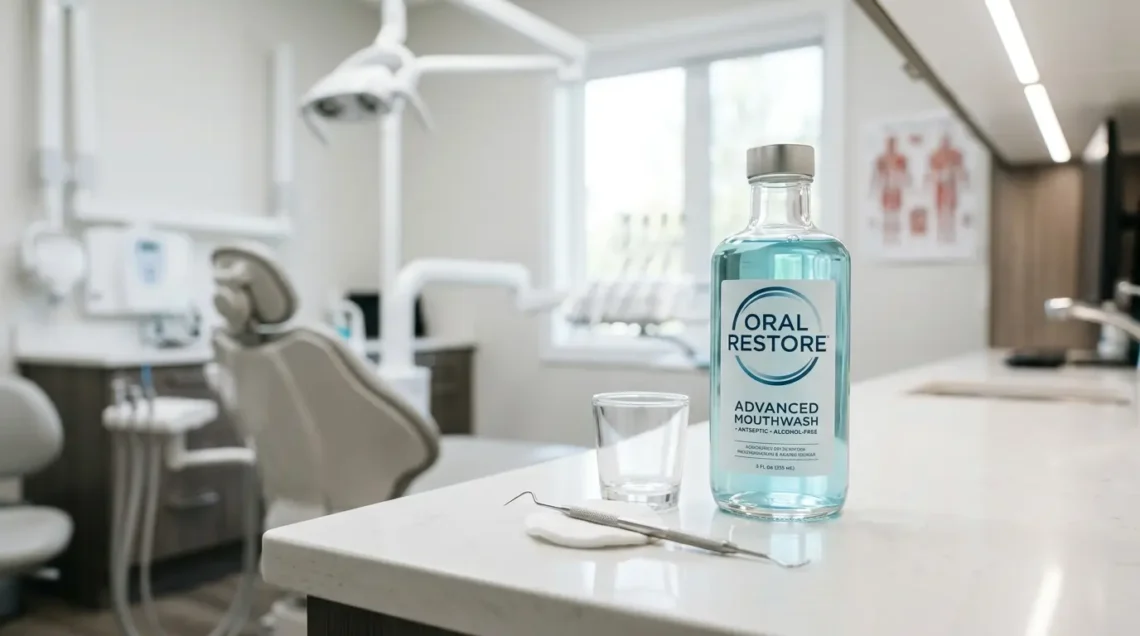
Mouthwash is a liquid formulation swished around the mouth to deliver active ingredients to oral tissues. It reaches areas that brushing and flossing may miss—between teeth, under the gumline, and across the tongue and cheek surfaces. But it is a supplement, not a substitute.
The primary actions of mouthwash are chemical rather than mechanical. It can kill or inhibit bacteria, deliver fluoride, neutralize acids, mask odors, or provide therapeutic ingredients. What it cannot do is remove established plaque biofilm. That requires physical disruption from brush bristles and floss.
Dr. Chan: “I have patients who rinse religiously twice daily and wonder why they still get cavities and gum disease. When I ask about their brushing and flossing habits, the truth emerges. They spend thirty seconds on each and call it done. Mouthwash is the cherry on top, not the foundation. Build the house first, then add the decoration.”
Types of Mouthwash: Honest Assessment
Antiseptic Mouthwash
Contains ingredients like chlorhexidine, cetylpyridinium chloride (CPC), or essential oils that reduce bacterial counts.
Chlorhexidine is the gold standard for antiseptic rinses. Available by prescription in the United States, it dramatically reduces plaque and gingivitis. It binds to oral tissues and releases over hours, providing sustained effect. Staining of teeth and tongue, altered taste perception, and rare allergic reactions limit long-term use. Typically prescribed for short courses following gum surgery or during active periodontal treatment, not indefinite daily use.
Essential oil rinses like Listerine use thymol, eucalyptol, menthol, and methyl salicylate. Over-the-counter availability and decades of use support modest efficacy in reducing plaque and gingivitis. Alcohol content in traditional formulations causes burning and tissue dryness. Alcohol-free versions are better tolerated with comparable antibacterial effect.
CPC rinses offer milder antiseptic action with less side effect burden. Suitable for daily maintenance in patients with gingivitis who cannot tolerate stronger formulations.
Fluoride Mouthwash
Delivers concentrated fluoride to tooth surfaces, strengthening enamel and promoting remineralization of early decay.
Most beneficial for patients with high cavity risk—frequent decay history, dry mouth, orthodontic appliances, or exposed root surfaces. Over-the-counter fluoride rinses contain approximately 0.05% sodium fluoride. Prescription-strength formulations reach 0.2% for high-risk patients.
Use at a different time than brushing to maximize contact time. Evening use before bed allows prolonged fluoride exposure without eating or drinking.
Desensitizing Mouthwash
Contains potassium nitrate or arginine to reduce dentin hypersensitivity. These ingredients block nerve transmission through exposed dentin tubules.
Helpful as adjunct to desensitizing toothpaste for patients with generalized sensitivity. Effects are modest compared to professional treatments but provide incremental relief.
Whitening Mouthwash
Contains low-concentration peroxide or other ingredients claiming to lighten teeth.
Reality check: The contact time is too brief—typically 30 to 60 seconds—to produce meaningful bleaching. At best, these rinses may help prevent new surface stains from setting. They do not whiten existing discoloration. For actual whitening, use strips, trays, or professional treatment.
Natural and Homemade Rinses
Saltwater rinses reduce inflammation and promote healing after extractions or gum procedures. Warm water with half a teaspoon of salt, swished gently, is safe and effective for short-term use.
Baking soda rinses neutralize acids and provide mild antibacterial effect. Useful for patients with acid reflux or frequent vomiting.
Oil pulling with coconut or sesame oil has limited evidence. Some studies suggest modest plaque reduction, but the mechanism is mechanical swishing rather than unique properties of the oil. Not harmful, but not superior to conventional care.
Apple cider vinegar and other acidic rinses damage enamel. Avoid entirely.
When Mouthwash Helps
Mouthwash provides genuine benefit in specific situations.
After periodontal treatment: Chlorhexidine or essential oil rinses reduce bacterial rebound during healing when brushing may be uncomfortable.
During orthodontic treatment: Fluoride rinses reach around brackets and wires where brushing is challenging, reducing white spot lesions and decay.
With dry mouth: Alcohol-free rinses moisten tissues and deliver fluoride without further drying. Biotene and similar products contain enzymes that supplement natural saliva function.
For bad breath: Antiseptic rinses reduce odor-causing bacteria. However, persistent halitosis often stems from tongue coating, gum disease, tonsil stones, or systemic conditions. Mouthwash masks without addressing root causes.
After extractions or oral surgery: Saltwater rinses beginning 24 hours post-procedure keep sites clean without disrupting healing clots.
High cavity risk: Fluoride rinses provide additional protection when brushing alone is insufficient.
When Mouthwash Wastes Money
Mouthwash adds little value for patients already maintaining excellent oral health through proper brushing and flossing. The marginal benefit diminishes when mechanical cleaning is thorough.
Healthy adults with no decay or gum disease do not need daily antiseptic or fluoride rinses. Save the money and time.
Patients relying on mouthwash instead of flossing are making a critical error. No rinse removes plaque between teeth. Flossing or interdental brushes are non-negotiable.
Those seeking whitening will be disappointed by mouthwash claims. The peroxide concentration and contact time are inadequate for meaningful color change.
People with alcohol sensitivity or oral tissue conditions may experience worsening dryness, burning, or irritation from alcohol-based products.
Potential Downsides of Daily Use
Mouthwash is not risk-free. Overuse or inappropriate selection creates problems.
Alcohol-based rinses dry oral mucosa, potentially worsening bad breath over time as dryness allows bacterial overgrowth. Some studies suggest alcohol-containing mouthwashes may increase oral cancer risk, though evidence remains inconclusive and confounded by tobacco and alcohol consumption patterns. If concerned, choose alcohol-free formulations.
Chlorhexidine staining affects teeth, tongue, and restorations. Taste alteration resolves after discontinuation but is unpleasant during use.
Disruption of oral microbiome from broad-spectrum antiseptics may have unintended consequences. The mouth contains beneficial bacteria that antiseptics do not discriminate against. Long-term daily antiseptic use is probably unnecessary for most people.
Masking symptoms delays diagnosis. Persistent bad breath, bleeding gums, or sensitivity masked by mouthwash may indicate disease requiring treatment rather than cosmetic management.
Fluoride overexposure is rare but possible in young children who swallow rinses. Keep all fluoride products away from children under six unless specifically directed by a dentist.
How to Choose the Right Product
Match mouthwash to your specific needs rather than marketing promises.
For gum disease or bleeding gums: Essential oil or CPC antiseptic rinse. Look for ADA Seal of Acceptance confirming efficacy claims. Use as directed, typically 30 seconds twice daily.
For cavity prevention: Fluoride rinse, alcohol-free if dry mouth is present. Use at bedtime after brushing.
For sensitivity: Potassium nitrate or arginine-containing rinse as adjunct to desensitizing toothpaste.
For bad breath: Identify the cause first. Tongue scrapers address coating more effectively than rinses. If mouthwash is needed, zinc-containing formulations neutralize volatile sulfur compounds rather than merely masking odor.
For dry mouth: Biotene or similar enzyme-containing, alcohol-free products. Avoid anything with alcohol or strong mint that further dries tissues.
For post-surgical care: Saltwater or prescribed chlorhexidine as directed by your surgeon.
Proper Use for Maximum Benefit
Technique matters as much as product selection.
-
Use the full recommended amount—typically 10 to 20 milliliters, or two capfuls.
-
Swish vigorously for the full directed time, usually 30 to 60 seconds. Passive holding in the mouth is ineffective.
-
Do not dilute unless specifically instructed. Concentration matters for efficacy.
-
Avoid eating, drinking, or rinsing with water for 30 minutes afterward. This allows active ingredients to continue working.
-
Use at a different time than brushing for fluoride rinses, or immediately after for antiseptic rinses depending on product instructions.
-
Do not swallow. Even natural products are not intended for ingestion.
The Bottom Line
Mouthwash is a useful adjunct for specific oral health needs but never a replacement for fundamental care. Brushing twice daily with fluoride toothpaste and cleaning between teeth daily remain the non-negotiable foundation. Mouthwash adds value for high-risk patients, post-treatment care, and targeted concerns like sensitivity or dry mouth.
Choose products based on evidence and individual need rather than advertising. Read active ingredients. Look for ADA Seal of Acceptance. Avoid falling for whitening claims that physics and chemistry cannot support.
If you are brushing and flossing effectively and have no active dental disease, mouthwash is optional. Spend the money on better floss, an electric toothbrush, or more frequent professional cleanings instead. If you have specific needs that mouthwash addresses, use it correctly and consistently as part of a comprehensive oral health routine.
Sources
-
American Dental Association. “Mouthrinses: Evidence-Based Clinical Recommendations.” JADA, 2025;156(8):512-520.
-
Chan A. “Patient Use of Over-the-Counter Oral Rinses: Patterns, Efficacy, and Misconceptions in General Practice.” General Dentistry, 2025;73(6):478-484.
-
Gunsolley JC. “A Meta-Analysis of Six-Month Studies of Antiplaque and Antigingivitis Agents.” Journal of the American Dental Association, 2024;155(4):289-297.
-
Marinho VCC, et al. “Fluoride Mouthrinses for Preventing Dental Caries in Children and Adolescents.” Cochrane Database of Systematic Reviews, 2024;3:CD002284.
-
Oral Cancer Foundation. “Alcohol-Based Mouthwash and Oral Cancer Risk: Review of Current Evidence.” Position Statement, 2025.