Introduction
When a cavity develops, dental fillings are one of the most common treatments used to restore the affected tooth. Traditionally, metal-based fillings were the standard choice for repairing tooth decay. However, growing interest in holistic wellness and biocompatible healthcare has led many patients to explore organic filling solutions and dental health alternatives.
Today, patients have more choices than ever before. Modern dental materials can provide effective cavity treatment while offering aesthetic benefits, metal-free construction, and improved compatibility with natural tooth structure.
Before choosing a filling material, it’s also helpful to understand How Much Does a Dental Filling Cost Without Insurance? to compare treatment options and costs.
What Are Organic Filling Solutions?
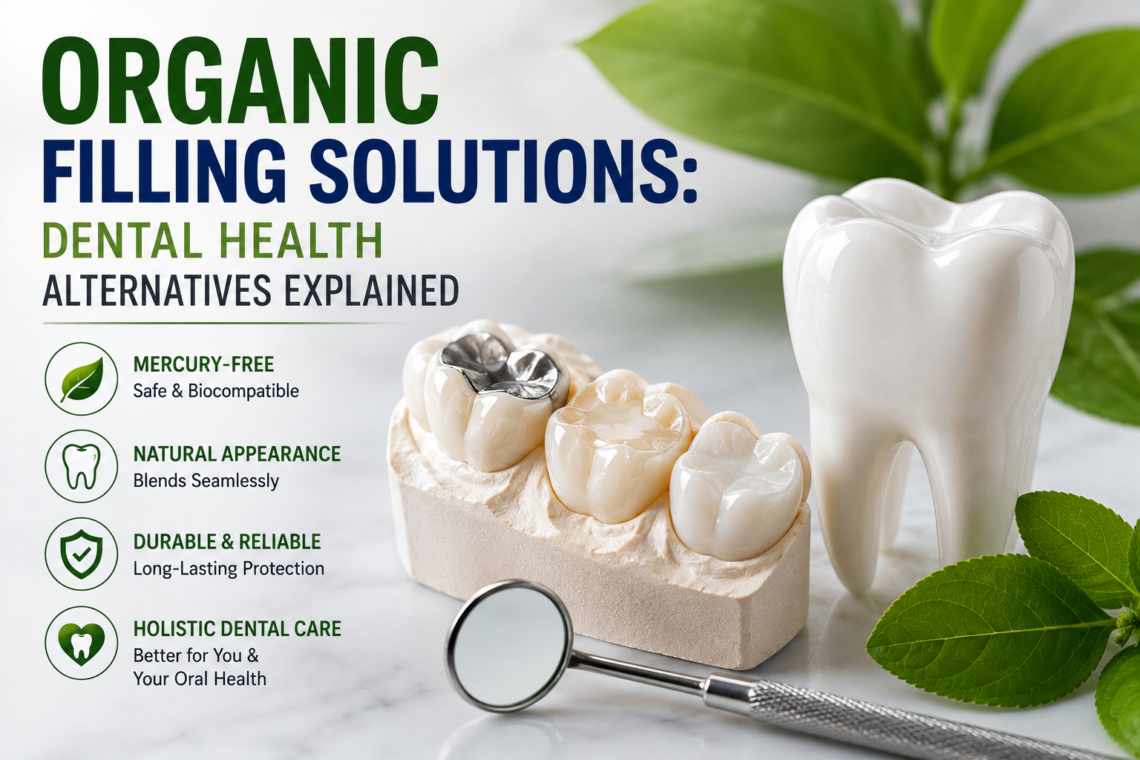
The term “organic filling solutions” is commonly used to describe dental filling materials that prioritize biocompatibility, reduced toxicity concerns, and compatibility with natural tooth structure.
While no dental filling is entirely organic in the agricultural sense, many modern restorative materials are designed to minimize exposure to metals and support a more holistic approach to oral healthcare.
These alternatives often include:
- Composite resin fillings
- Ceramic fillings
- Porcelain restorations
- Glass ionomer fillings
- Other mercury-free restorative materials
The goal is to restore tooth function while preserving both aesthetics and organic filling solutions.
Why Are Patients Seeking Alternatives to Traditional Fillings?
Several factors contribute to the growing popularity of alternative filling materials.
Concerns About Mercury Content
Traditional silver-colored amalgam fillings contain a mixture of metals, including mercury.
Although many health organizations consider dental amalgam safe for most people, some patients prefer mercury-free options due to personal health concerns or holistic wellness preferences.
Improved Appearance
Many modern filling materials closely match the natural color of teeth.
Unlike metallic fillings, tooth-colored restorations blend seamlessly with the surrounding tooth structure.
This is particularly important for visible teeth when smiling or speaking.
Preservation of Tooth Structure
Some newer materials require less removal of healthy tooth tissue during placement.
Conserving natural tooth structure can contribute to long-term dental health by organic filling solutions.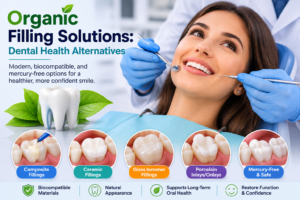
Common Organic and Biocompatible Filling Alternatives
Composite Resin Fillings
Composite resin fillings are among the most popular alternatives to metal fillings. If tooth decay has caused sensitivity before treatment, you may also find Why Do My Teeth Hurt When I Drink Cold Water? helpful for understanding the common symptoms associated with enamel damage and cavities.
These restorations consist of a blend of plastic and glass particles that bond directly to the tooth surface.
Benefits
- Tooth-colored appearance
- Mercury-free
- Bonds to natural tooth structure
- Suitable for front and back teeth
- Requires less tooth removal
Limitations
- May wear faster than some metal restorations
- Can stain over time
- May require replacement after years of use
For many patients, composite fillings provide an excellent balance of aesthetics and function.
Ceramic Fillings
Ceramic restorations are typically made from porcelain or similar materials.
They are highly valued for their natural appearance and durability.
Benefits
- Excellent aesthetics
- Stain resistant
- Metal-free
- Highly durable
- Biocompatible
Limitations
- Higher cost
- May require multiple appointments
- Can be more brittle than some alternatives
Ceramic fillings are often recommended when appearance is a top priority.
Glass Ionomer Fillings
Glass ionomer materials are commonly used for specific dental applications.
One unique feature is their ability to release fluoride over time. Fluoride plays an important role in protecting tooth enamel. Learn more about the body’s natural defenses in What Is the Role of Saliva in Dental Health?, which explains how saliva and fluoride work together to strengthen teeth.
Benefits
- Fluoride release
- Tooth-colored appearance
- Bonds chemically to teeth
- Useful for children and low-stress areas
Limitations
- Less durable than composite or ceramic
- Not ideal for heavy chewing surfaces
Porcelain Inlays and Onlays
When a cavity is too large for a traditional filling but does not require a crown, dentists may recommend porcelain inlays or onlays.
These custom-made restorations are fabricated in a dental laboratory and bonded to the tooth.
Benefits
- Long lifespan
- Excellent aesthetics
- Strong and durable
- Conserves healthy tooth structure
Limitations
- Higher cost
- Multiple appointments may be required
Understanding Biocompatibility in Dentistry
Biocompatibility refers to how well a material interacts with the body’s tissues without causing adverse reactions.
Holistic and biological dentists often evaluate:
- Material composition
- Potential sensitivities
- Allergic reactions
- Long-term tissue compatibility
While most patients tolerate modern dental materials well, individuals with known allergies or sensitivities should discuss options with their dentist. Maintaining healthy gums is equally important for long-term restoration success. Read Why Do My Gums Bleed When I Brush My Teeth? to recognize early signs of gum disease and when to seek professional care.
Are Mercury-Free Fillings Safer?
One of the most common questions patients ask is whether mercury-free fillings are safer than traditional amalgam fillings.
The answer depends on individual circumstances.
Modern mercury-free restorations offer benefits such as:
- Natural appearance
- Metal-free construction
- Increased patient comfort
- Growing popularity in cosmetic dentistry
However, traditional amalgam fillings have also demonstrated durability and effectiveness over many decades.
Choosing the best filling material should involve a discussion with a qualified dental professional based on your oral health needs.
How to Choose the Right Filling Material
Several factors influence the ideal restoration choice.
Location of the Tooth
Front teeth often benefit from highly aesthetic materials such as composite resin or ceramic.
Back teeth may require stronger restorative options due to chewing pressure.
Size of the Cavity
Small cavities may be suitable for direct composite fillings.
Larger areas of damage may require ceramic inlays, onlays, or crowns.
Budget Considerations
Treatment costs vary significantly between materials.
Patients should discuss available options and long-term value with their dentist. If you’re comparing treatment costs or insurance coverage, our guide Dental Health Plans: A Complete Guide to Choosing the Right Coverage can help you better understand how dental plans may reduce out-of-pocket expenses.
Personal Preferences
Some individuals prioritize:
- Metal-free dentistry
- Holistic treatment approaches
- Cosmetic appearance
- Long-term durability
Understanding your priorities can help guide treatment decisions.
Supporting Long-Term Dental Health After a Filling
Regardless of the material chosen, long-term success depends on good oral hygiene habits.
Key practices include:
- Brushing twice daily
- Flossing every day
- Limiting sugary foods and beverages
- Visiting the dentist regularly
- Addressing cavities early
No filling material can replace proper oral care and preventive dentistry. Daily oral hygiene habits—including healthy saliva production and regular dental checkups—are essential for protecting both your natural teeth and dental restorations. Learn more in What Is the Role of Saliva in Dental Health?.
Frequently Asked Questions (FAQs)
What are organic filling solutions?
Organic filling solutions generally refer to mercury-free, biocompatible, and holistic dental restoration materials designed to repair cavities while minimizing metal exposure.
What is the most natural-looking dental filling?
Composite resin and ceramic fillings are among the most natural-looking options because they closely match the color of natural teeth.
Are composite fillings better than silver fillings?
Composite fillings offer aesthetic and mercury-free advantages, while silver amalgam fillings may provide greater durability in certain situations. The best choice depends on individual needs.
Do ceramic fillings last a long time?
Yes. With proper care, ceramic restorations can last many years and provide excellent durability and appearance.
Are mercury-free fillings safe?
Mercury-free fillings are widely used in modern dentistry and are generally considered safe and effective for restoring teeth affected by decay.
Conclusion
The demand for organic filling solutions and dental health alternatives continues to grow as patients seek treatments that align with their health goals, cosmetic preferences, and holistic lifestyles. Today’s dental technology offers numerous mercury-free and biocompatible options, including composite resin, ceramic restorations, glass ionomer materials, and porcelain inlays.
Each option comes with unique advantages and limitations, making individualized treatment planning essential. By understanding available alternatives and consulting with a trusted dental professional, patients can make informed decisions that support both oral health and overall well-being.
CTA
Interested in exploring mercury-free and biocompatible dental filling options? Schedule a consultation with your dentist to discuss the best restorative solution for your unique oral health needs and long-term smile goals.