Watching your child’s first tooth appear is an exciting milestone, but it also marks the beginning of an important journey in oral health. As children grow, their baby teeth (primary teeth) are gradually replaced by permanent teeth (adult teeth)—a natural process that raises many questions for parents learn Baby Teeth vs Permanent Teeth.
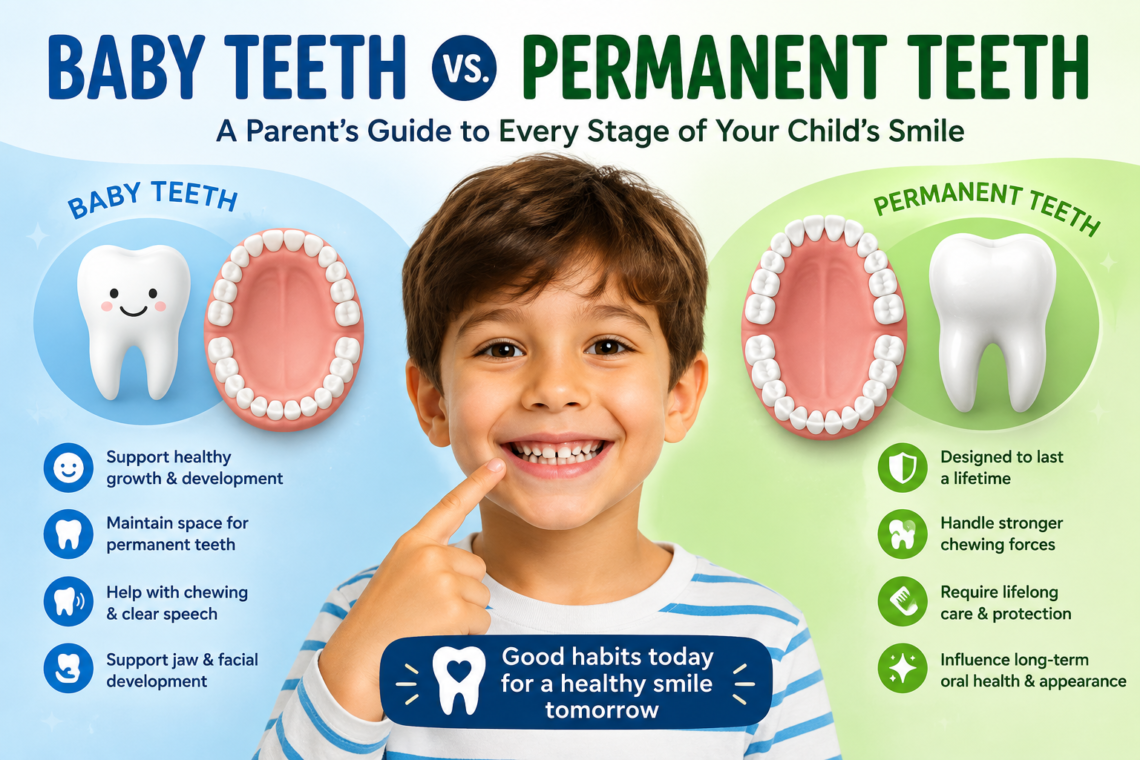
Many people assume baby teeth are “just temporary” and therefore less important. In reality, these first teeth play a vital role in your child’s development. They help children chew food properly, speak clearly, maintain space for permanent teeth, and support healthy jaw growth. Losing baby teeth too early because of decay or injury can increase the risk of crowding and alignment problems later in life.
Permanent teeth, on the other hand, are designed to last a lifetime. Once they erupt, they do not naturally grow back if lost, making proper oral hygiene and preventive dental care essential from an early age.
Why Understanding the Difference Matters
Knowing the difference between baby and permanent teeth helps parents make informed decisions about their child’s oral health.
Baby teeth:
- Help children chew and eat nutritious foods
- Support clear speech development
- Maintain space for permanent teeth
- Guide permanent teeth into position
- Contribute to healthy jaw and facial development
Permanent teeth:
- Are intended to last throughout adulthood
- Handle stronger chewing forces
- Require lifelong preventive care
- Influence long-term oral function and appearance
When parents understand these roles, they’re more likely to prioritize regular dental checkups, daily brushing with fluoride toothpaste, and healthy eating habits that reduce the risk of tooth decay.
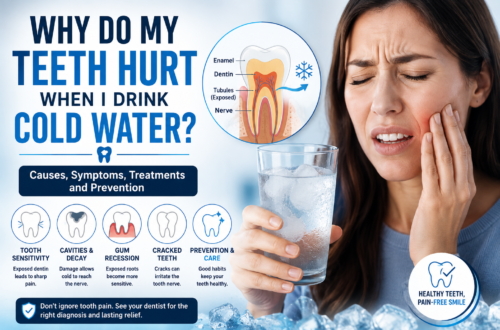
For more information about everyday dental care, read our guide to Why Do My Teeth Hurt When I Drink Cold Water?.
Understanding Baby Teeth vs Permanent Teeth
Every child develops two sets of teeth during their lifetime. The first set, called baby teeth (also known as primary or deciduous teeth), begins appearing during infancy. These teeth are eventually replaced by the second set, known as permanent or adult teeth, which are designed to last throughout life.
Although baby teeth are temporary, they are essential for healthy growth and development. Understanding how the two sets differ helps parents support good oral health at every stage.
What Are Baby Teeth?
Baby teeth are the first teeth to erupt in a child’s mouth. They usually begin appearing around 6 months of age, although the timing can vary from child to child.
Most children have a complete set of 20 baby teeth by approximately 2½ to 3 years of age.
These include:
- 8 Incisors
- 4 Canines
- 8 Molars
Unlike permanent teeth, baby teeth do not include premolars or wisdom teeth.
Why Are Baby Teeth Important?
Many parents believe baby teeth don’t require much care because they eventually fall out. However, they serve several important functions.
Baby Teeth Help Children:
- Chew food properly
- Develop clear speech
- Smile with confidence
- Maintain space for permanent teeth
- Guide permanent teeth into the correct position
- Support healthy jawbone and facial development
Premature loss of baby teeth due to decay or injury can increase the risk of crowding, spacing problems, and orthodontic issues later.
What Are Permanent Teeth?
Permanent teeth replace baby teeth as children grow. They generally begin erupting around 6 years of age, although timing varies.
Unlike baby teeth, permanent teeth are intended to last a lifetime with proper care.
A complete adult dentition typically includes 32 teeth:
- 8 Incisors
- 4 Canines
- 8 Premolars
- 12 Molars, including wisdom teeth
Some people naturally have fewer than 32 teeth because wisdom teeth may not develop or may be removed.
Why Permanent Teeth Matter
Permanent teeth are responsible for:
- Efficient chewing
- Proper bite function
- Clear speech
- Maintaining facial appearance
- Supporting overall oral health throughout adulthood
Because permanent teeth do not naturally regrow after loss, protecting them from cavities, gum disease, and injury is extremely important.
Baby Teeth Eruption Timeline
While every child develops at their own pace, the following timeline is common.
| Tooth Type | Typical Age |
| Lower central incisors | 6–10 months |
| Upper central incisors | 8–12 months |
| Lateral incisors | 9–16 months |
| First molars | 13–19 months |
| Canines | 16–23 months |
| Second molars | 23–33 months |
By around 3 years old, most children have all 20 baby teeth.
When Do Baby Teeth Fall Out?
Children usually begin losing baby teeth around 6 years of age.
The process generally continues until approximately 12 years old.
Typical order:
- Lower central incisors
- Upper central incisors
- Lateral incisors
- First molars
- Canines
- Second molars
Keep in mind that every child develops differently. Some children lose teeth earlier or later than average.
Permanent Tooth Eruption Timeline
Permanent teeth usually appear in this order:
| Tooth | Typical Age |
| First molars | 6–7 years |
| Central incisors | 6–8 years |
| Lateral incisors | 7–9 years |
| First premolars | 10–11 years |
| Second premolars | 10–12 years |
| Canines | 9–12 years |
| Second molars | 11–13 years |
| Wisdom teeth, if they erupt | 17–25 years |
Why Baby Teeth Need Just as Much Care
Even though baby teeth are temporary, neglecting them can lead to problems that affect permanent teeth.
Poor oral care can cause:
- Tooth decay
- Dental infections
- Pain
- Difficulty eating
- Speech problems
- Premature tooth loss
- Misalignment of permanent teeth
- Increased need for orthodontic treatment
Healthy baby teeth create the best environment for healthy permanent teeth.
Common Problems During the Transition
As baby teeth fall out and permanent teeth erupt, parents may notice changes that raise concerns.
1. “Shark Teeth”
Sometimes a permanent tooth erupts behind a baby tooth before the baby tooth falls out.
In many cases, the baby tooth loosens and falls out naturally. However, if it remains in place or causes crowding, consult your dentist.
2. Delayed Tooth Eruption
Some children naturally develop more slowly than others.
A dental evaluation may be recommended if teeth are significantly delayed or if there are concerns about development.
3. Crowded Teeth
Permanent teeth are larger than baby teeth, so mild crowding may occur as they erupt.
Your dentist will monitor spacing and may recommend an orthodontic evaluation if needed.
4. Early Loss of Baby Teeth
Losing a baby tooth too soon because of decay or trauma can allow neighboring teeth to drift into the empty space, potentially affecting the eruption of permanent teeth.
In some cases, a space maintainer may be recommended to preserve room for the permanent tooth.
How to Care for Baby Teeth vs Permanent Teeth
Healthy dental habits begin long before tBaby teeth vs permanent teethhe first permanent tooth appears. By teaching good oral hygiene early, parents can help reduce the risk of cavities, gum disease, and future orthodontic problems.
Daily Oral Care for Baby Teeth
Even before your baby’s first tooth erupts, oral care should be part of your daily routine.
Before the First Tooth Appears
- Gently wipe your baby’s gums with a clean, damp, soft cloth after feedings.
- This helps remove bacteria and gets your child used to oral care.
After the First Tooth Erupts
- Brush twice a day using a soft-bristled, age-appropriate toothbrush.
- Use a smear (rice grain-sized) amount of fluoride toothpaste for children under 3 years, unless your dentist advises otherwise.
- For children aged 3–6 years, use a pea-sized amount of fluoride toothpaste and supervise brushing to minimize swallowing.
Caring for Permanent Teeth
As permanent teeth erupt, maintaining good oral hygiene becomes even more important because these teeth are intended to last a lifetime.
Daily Care Checklist
✔ Brush twice daily for two minutes.
✔ Floss once a day when teeth touch.
✔ Clean the back molars carefully.
✔ Replace toothbrushes every 3–4 months or sooner if the bristles become worn.
✔ Attend regular dental checkups and professional cleanings as recommended.
Healthy Eating for Strong Teeth
Nutrition plays a major role in preventing tooth decay.
Tooth-Friendly Foods
- Fresh fruits
- Vegetables
- Cheese
- Yogurt
- Milk
- Eggs
- Lean proteins
- Nuts
- Whole grains
These foods provide important nutrients such as calcium, phosphorus, and vitamin D, which support healthy teeth and bones.
Foods to Limit
- Sticky candies
- Caramel
- Sugary drinks
- Soft drinks
- Frequent sugary snacks
- Sweetened juices
- Cookies and pastries
- Sports drinks
Frequent exposure to sugary foods and drinks increases the risk of cavities.
For more information about factors that affect children’s oral health, see our guide to What Is the Role of Saliva in Dental Health?.
Preventing Cavities in Children
To help protect both baby and permanent teeth:
- Brush twice daily with fluoride toothpaste.
- Floss once a day.
- Encourage water instead of sugary beverages.
- Limit frequent snacking.
- Schedule routine dental visits.
- Ask your dentist whether dental sealants are appropriate for your child’s permanent molars.
- Discuss fluoride treatments if your child is at increased risk for cavities.
Myths vs. Facts
| Myth | Fact |
| Baby teeth don’t need treatment because they’ll fall out anyway. | Healthy baby teeth are important for chewing, speech, jaw development, and guiding permanent teeth into position. |
| Permanent teeth are stronger and can’t get cavities easily. | Permanent teeth are still vulnerable to tooth decay without proper oral hygiene and a balanced diet. |
| If my child brushes once a day, that’s enough. | Brushing twice daily with fluoride toothpaste is recommended for most children. |
| Losing baby teeth early isn’t a problem. | Premature tooth loss may affect spacing and increase the likelihood of orthodontic issues later. |
| Children don’t need floss until they’re teenagers. | Flossing should begin when two teeth touch and a toothbrush can no longer clean between them effectively. |
Warning Signs Parents Should Never Ignore
Schedule a dental appointment if your child experiences:
- Persistent tooth pain
- Swollen or bleeding gums
- White, brown, or black spots on teeth
- Loose permanent teeth
- Delayed tooth eruption
- Permanent teeth erupting behind baby teeth that don’t loosen over time
- Bad breath that doesn’t improve with brushing
- Difficulty chewing or biting
- Facial swelling or signs of infection
Early treatment often prevents more serious dental problems.
Best Practices for Lifelong Oral Health
Building healthy habits early can make a lasting difference.
Encourage Your Child To:
- Brush every morning and night.
- Floss daily.
- Drink plenty of water.
- Eat a balanced diet.
- Wear a mouthguard during contact sports.
- Visit the dentist regularly.
- Tell an adult if a tooth feels painful or loose unexpectedly.
Parents can also lead by example by maintaining their own oral hygiene routine.
Frequently Asked Questions (FAQs)
1. What is the difference between baby teeth and permanent teeth?
Baby teeth are the first set of teeth that help children chew, speak, and maintain space for permanent teeth. Permanent teeth replace baby teeth and are intended to last throughout adulthood with proper care.
2. How many baby teeth does a child have?
Most children develop 20 baby teeth by approximately 3 years of age.
3. How many permanent teeth do adults have?
A full adult dentition typically consists of 32 permanent teeth, including four wisdom teeth. However, some people naturally have fewer if wisdom teeth never develop or are removed.
4. At what age do baby teeth start falling out?
Most children begin losing baby teeth around 6 years old, although this can vary from child to child.
5. When do permanent teeth begin to erupt?
Permanent teeth usually begin erupting around 6 years of age, often starting with the first molars and lower central incisors.
Conclusion
Understanding the differences between baby teeth and permanent teeth is one of the best ways parents can support their child’s lifelong oral health. Baby teeth may be temporary, but they lay the foundation for healthy chewing, speech development, proper jaw growth, and the successful eruption of permanent teeth.
As permanent teeth replace primary teeth, consistent oral hygiene, a balanced diet, and regular dental visits become even more important. Teaching healthy habits early helps reduce the risk of cavities, gum disease, and orthodontic problems while encouraging children to take responsibility for their own oral health as they grow.
Every child develops at their own pace, so slight variations in tooth eruption are often normal. However, if you notice persistent pain, delayed tooth eruption, early tooth loss, or other concerns, don’t hesitate to seek professional dental advice. Early evaluation and preventive care can make a lasting difference in your child’s smile.
Call to Action
Want to learn more about dental instruments, equipment, and oral health topics?
Explore Dentistry Supplier for informative guides covering dental instruments, dental equipment, maintenance, purchasing considerations, and modern dentistry.
Continue exploring our dental resources to better understand the products, tools, and practices that support effective dental care.