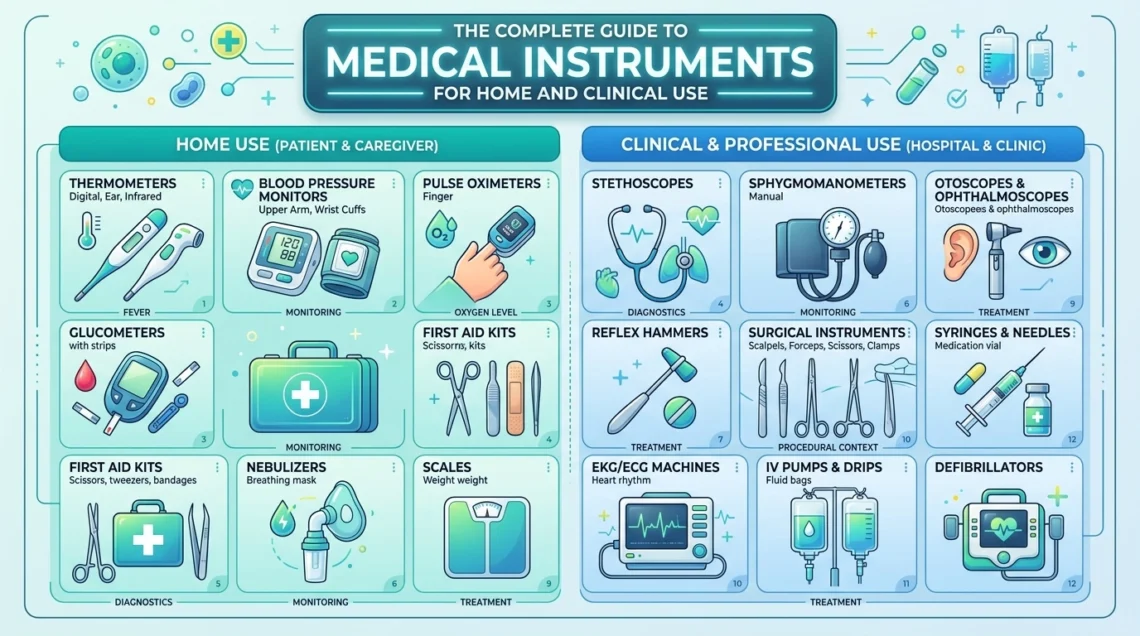
In 2026, having essential medical instruments at home is no longer a luxury reserved for healthcare professionals. Whether you are a nursing student looking for your first stethoscope, a caregiver setting up a home care environment, or simply someone who wants to monitor their health proactively, understanding medical equipment is crucial. This comprehensive guide covers everything you need to know about choosing the right medical instruments for your specific needs.
Medical instruments range from simple diagnostic tools like blood pressure monitors and thermometers to more specialized equipment used in clinical settings. The global home medical equipment market is growing rapidly, driven by an aging population and an increased focus on preventive healthcare. Knowing which devices to buy, how to use them correctly, and how to maintain them can save lives and reduce healthcare costs significantly.
In this guide, we will explore the best stethoscopes for medical students, how to choose a blood pressure monitor for home use, essential medical equipment for home care, digital versus manual medical devices, and must-have instruments for nursing students. We have structured this content to answer the most common questions people search for when beginning their medical instrument journey.
Best Stethoscope for Medical Students 2026: A Detailed Comparison
Choosing your first stethoscope is one of the most important decisions you will make as a medical or nursing student. The right stethoscope can make learning auscultation techniques significantly easier, while a poor-quality instrument can frustrate your efforts and compromise patient assessments. In 2026, several models stand out as excellent choices for students balancing quality with budget constraints.
Types of Stethoscopes Explained
Before diving into specific recommendations, it is essential to understand the different types of stethoscopes available. Acoustic stethoscopes are the most common and traditional type, using a chest piece to transmit sound through air-filled tubes. These are what most people picture when they think of a stethoscope. Electronic or digital stethoscopes amplify body sounds and often include features like noise cancellation and Bluetooth connectivity for recording sounds. Cardiology stethoscopes are premium acoustic models designed specifically for detecting subtle heart sounds and murmurs.
For medical students, an acoustic stethoscope with dual-sided chest piece (featuring both a diaphragm and a bell) offers the best learning experience. The diaphragm side, with its larger flat surface, is ideal for detecting high-frequency sounds like breath sounds and normal heart tones. The bell side, with its smaller concave surface, is better for low-frequency sounds such as certain heart murmurs and vascular sounds. Understanding how to use both sides effectively is a fundamental skill that every healthcare provider must master.
Top 3 Stethoscopes for Medical Students
- Littmann Classic III Monitoring Stethoscope: This remains the gold standard for medical students in 2026. Priced between $95 and $130, it offers excellent acoustic sensitivity, a tunable diaphragm on both sides, and comes in a wide variety of colors. The Classic III is durable enough to last through four years of medical school and beyond. Its next-generation tubing resists skin oils and alcohol, making it more durable than earlier models.
- MDF Instruments MD One Stainless Steel Stethoscope: For students on a tighter budget, the MDF MD One offers exceptional value at $60 to $80. It features a lifetime warranty, free parts for life program, and acoustic performance that rivals more expensive models. The stainless steel chest piece and headset provide excellent sound transmission, and the ergonommax headset design ensures comfort during long clinical shifts.
- ADC Adscope 603 Clinician Stethoscope: At around $45 to $60, this is an excellent entry-level option. The Adscope 603 features a combination diaphragm and bell chest piece, adjustable frequency design, and durable aluminum construction. While it may not match the acoustic refinement of the Littmann Classic III, it performs admirably for general clinical use and is a popular choice among nursing students.
Stethoscope Comparison Table
| Model | Price Range | Best For | Key Feature |
|---|---|---|---|
| Littmann Classic III | $95-$130 | Overall best | Tunable diaphragm, 7-year warranty |
| MDF MD One | $60-$80 | Budget value | Lifetime warranty, free parts |
| ADC Adscope 603 | $45-$60 | Entry level | AFD technology, lightweight |
How to Choose a Blood Pressure Monitor for Home Use
Home blood pressure monitoring is one of the most effective ways to manage hypertension and maintain cardiovascular health. The American Heart Association recommends that adults with high blood pressure, or those at risk, monitor their blood pressure regularly at home. However, with dozens of models available in 2026, selecting the right monitor can feel overwhelming. This section breaks down everything you need to know to make an informed decision.
Digital vs Manual Blood Pressure Monitors: Which Is Better?
The choice between digital and manual blood pressure monitors is one of the first decisions you will need to make. Digital monitors, also known as automatic or electronic monitors, inflate the cuff and display your blood pressure reading on a screen with the press of a button. They are easier to use, require minimal training, and are generally recommended for home use. Manual monitors, which include aneroid devices with a dial gauge and a bulb for inflation, require a stethoscope and proper technique to obtain accurate readings.
For the vast majority of home users, digital upper-arm blood pressure monitors are the best choice. They eliminate human error in reading the gauge, work automatically, and many models can store readings for multiple users. However, manual monitors remain valuable for healthcare students learning proper technique and for situations where battery power is unavailable. The accuracy of both types depends heavily on proper cuff size and correct positioning.
Key Features to Look For
- FDA-approved or clinically validated accuracy: Look for devices validated by organizations like the British Hypertension Society, European Society of Hypertension, or Association for the Advancement of Medical Instrumentation.
- Appropriate cuff size: An ill-fitting cuff is the most common cause of inaccurate readings. Measure your upper arm circumference and choose a monitor with the correct cuff size range.
- Memory storage: The best monitors store at least 60 readings for two or more users, allowing you to track trends over time.
- Irregular heartbeat detection: Many modern monitors can detect irregular heart rhythms and alert you to potential arrhythmias.
- Bluetooth connectivity: Premium models can sync data to smartphone apps, making it easy to share readings with your healthcare provider.
Top Blood Pressure Monitors of 2026
A&D Medical Premium Multi-User (UA-767F): This monitor earned top marks for accuracy and user-friendliness in 2026 testing. It stores 60 readings per user for up to four users, features a color-coded display indicating normal, elevated, and high readings, and is clinically validated for accuracy. Priced at approximately $65, it offers excellent value.
Omron 3 Series (BP7150): At around $45, the Omron 3 Series is our best value pick. It provides accurate, clinically validated readings, connects via Bluetooth to the Omron Connect app, and stores 14 readings on the device. The cuff fits arms 9 to 17 inches in circumference, accommodating most users.
CONNEQT Pulse: For those wanting comprehensive cardiovascular data, the CONNEQT Pulse at $289 measures arterial stiffness and central blood pressure in addition to standard readings. It includes a 30-day trial of the Care+ subscription, which generates monthly cardiology reports you can share with your doctor.
Medical Equipment for Home Care: A Beginner’s Setup Guide
Creating a functional home care environment requires thoughtful selection of medical equipment tailored to the patient’s specific needs. Whether you are caring for an elderly parent, a recovering surgical patient, or someone with a chronic condition, having the right tools can dramatically improve quality of care and reduce hospital readmissions. This section outlines the essential medical equipment for home care that every caregiver should consider.
Essential Diagnostic Tools
Every home care setup should begin with basic diagnostic instruments that allow you to monitor vital signs and detect changes in health status. A reliable digital thermometer is absolutely essential. In 2026, non-contact infrared thermometers remain popular for their speed and hygiene benefits, but a good digital oral thermometer provides more consistent accuracy for routine monitoring. Look for models with fever alerts and memory functions.
A pulse oximeter is another must-have device, especially for patients with respiratory or cardiac conditions. This small clip-on device measures blood oxygen saturation and pulse rate within seconds. Modern fingertip pulse oximeters cost between $20 and $40 and provide readings that are sufficiently accurate for home monitoring. Choose one with a clear OLED display and plethysmograph waveform for the most reliable results.
Mobility and Safety Equipment
Mobility limitations significantly impact quality of life and increase fall risk. Depending on the patient’s needs, basic equipment may include a sturdy walking cane ($25-$45), a walker with wheels ($70-$120), or a wheelchair ($150-$400 for standard models). For bathroom safety, install grab bars near the toilet and in the shower, use a non-slip bath mat, and consider a shower chair ($40-$80) for patients who cannot stand for extended periods.
A hospital-style bed is not always necessary, but an adjustable bed wedge or pillow system can help patients with respiratory issues, acid reflux, or limited mobility find comfortable sleeping positions. Bedside commodes are essential for patients who cannot safely reach the bathroom, particularly during nighttime hours. These typically cost between $60 and $120.
Wound Care and Medication Management
If the patient requires wound care, stock a comprehensive first aid kit with sterile gauze pads, adhesive bandages in multiple sizes, medical tape, sterile saline solution, and antibiotic ointment. A wound irrigation syringe helps clean wounds effectively. For more complex wound care, your healthcare provider may recommend specific dressings like hydrocolloid or foam dressings.
Medication management tools help prevent missed doses and dangerous errors. A weekly pill organizer with multiple compartments per day costs under $15 and is invaluable for patients on complex medication regimens. For patients with memory issues, automatic pill dispensers with alarms ($60-$150) provide an additional safety layer. Always keep an up-to-date medication list readily accessible for emergency responders.
Must-Have Medical Instruments for Nursing Students Starting Clinicals
Starting clinical rotations is both exciting and intimidating for nursing students. Having the right equipment not only prepares you for various clinical scenarios but also demonstrates professionalism to instructors and preceptors. This comprehensive checklist covers the medical instruments that nursing programs typically require or strongly recommend.
Core Diagnostic Instruments
- Stethoscope: As discussed earlier, this is your most important tool. The Littmann Classic III or MDF MD One are excellent choices for nursing students.
- Manual blood pressure cuff (sphygmomanometer): Even if you primarily use digital monitors, learning manual blood pressure measurement is a required skill in most nursing programs. A quality aneroid kit with stethoscope costs $30-$50.
- Penlight: Essential for pupil assessment and examining the mouth and throat. LED penlights ($8-$15) provide brighter, more consistent light than incandescent models.
- Pulse oximeter: While most clinical settings provide these, having your own allows practice and ensures availability.
- Thermometer: A digital thermometer suitable for oral, axillary, and rectal use.
Practical Tools and Accessories
- Bandage scissors and trauma shears: Blunt-tip scissors are safer for cutting dressings and clothing near the skin. Expect to pay $8-$15 for quality surgical scissors.
- Watch with second hand: Essential for measuring pulse and respiration rates. Water-resistant models withstand frequent hand washing. A fob watch that clips to your uniform prevents cross-contamination.
- Clipboard with storage: A foldable nursing clipboard ($15-$25) provides writing surface and storage for reference materials like normal vital sign ranges and conversion charts.
- Comfortable compression socks: While not technically instruments, compression socks are essential for 12-hour clinical shifts. They improve circulation and reduce leg fatigue.
- Stethoscope case or cover: Protects your investment and allows identification of your stethoscope among dozens in a clinical setting.
Organizational Tips for Clinical Success
Beyond having the right equipment, successful nursing students develop organizational systems that work for them. Consider using a pocket-sized notebook to jot down quick notes, patient observations, and questions for your instructor. Many students find medical reference apps invaluable for looking up medications, conditions, and procedures on the go. Always carry a small bottle of hand sanitizer and extra pens because these seemingly minor items frequently go missing during busy shifts.
Medical Instrument Care and Maintenance: Essential Tips
Proper care and maintenance of medical instruments ensures accurate readings, extends equipment lifespan, and prevents cross-contamination between patients. In healthcare settings, instrument maintenance is governed by strict protocols, but home users and students must also follow best practices to protect themselves and others. This section provides practical guidance for cleaning, storing, and maintaining common medical instruments.
Cleaning and Disinfecting Your Stethoscope
Your stethoscope comes into contact with patients more frequently than almost any other instrument, making proper cleaning essential. The Centers for Disease Control and Prevention recommends cleaning stethoscopes between every patient contact. For home users, clean your stethoscope at least weekly and after examining anyone with a known infection.
To clean your stethoscope, use 70% isopropyl alcohol wipes or a cloth dampened with alcohol solution. Wipe all surfaces, paying special attention to the chest piece, tubing, and ear tips. Avoid immersing your stethoscope in liquid or using harsh chemicals that may damage the tubing. The Littmann and MDF websites provide specific cleaning guidance for their models. Replace ear tips when they become cracked or discolored, as degraded tips affect acoustic seal and comfort.
Blood Pressure Monitor Maintenance
Blood pressure monitors require regular maintenance to ensure continued accuracy. Check the cuff tubing for cracks or leaks monthly, as air leaks cause inaccurate low readings. Clean the cuff surface with a damp cloth and mild soap when visibly soiled. Never submerge the monitor unit or cuff in water. Store the monitor in a cool, dry place away from direct sunlight, as extreme temperatures damage electronic components.
Most manufacturers recommend having blood pressure monitors calibrated every one to two years. If your readings seem inconsistent with those taken at your doctor’s office, contact the manufacturer about calibration services. Keep spare batteries on hand, as low battery power can affect accuracy. Remove batteries if storing the monitor for extended periods to prevent corrosion.
General Storage Guidelines
- Store instruments in a clean, dry location away from direct sunlight and extreme temperatures.
- Use protective cases for stethoscopes, pulse oximeters, and other portable devices.
- Keep instruments organized and easily accessible in a designated medical supplies area.
- Regularly inspect equipment for signs of wear, damage, or contamination.
- Replace disposable components like batteries, probe covers, and electrodes as needed.
- Follow manufacturer guidelines for calibration schedules and service requirements.
Frequently Asked Questions About Medical Instruments
What is the most accurate type of home blood pressure monitor?
Digital upper-arm blood pressure monitors with automatic inflation are generally the most accurate for home use. Look for models that are clinically validated by organizations such as the British Hypertension Society or the Association for the Advancement of Medical Instrumentation. Arm cuff monitors consistently outperform wrist and finger monitors in accuracy tests. Proper cuff fit and correct arm positioning during measurement are equally important as the device quality itself.
How much should I spend on my first stethoscope as a medical student?
For most medical and nursing students, spending between $60 and $130 on a first stethoscope provides the best balance of quality and value. The Littmann Classic III at approximately $100 remains the most popular choice because it offers professional-grade acoustics that will serve you through school and into your early career. Budget options like the MDF MD One at $65-$80 provide excellent alternatives without significant compromises in quality. Avoid stethoscopes under $40, as they typically have poor acoustic performance that hinders learning.
Are digital stethoscopes worth the investment?
Digital stethoscopes like the Eko Core 500 offer significant advantages for specific users but are not necessary for most students or home users. These devices amplify sounds, reduce ambient noise, and can record audio for sharing with instructors or specialists. For cardiology specialists, educators, or providers practicing in noisy environments, digital stethscopes justify their $200-$400 price tags. For general clinical use and learning purposes, a quality acoustic stethoscope remains perfectly adequate and avoids concerns about battery life and electronic malfunctions.
How often should I replace my home medical equipment?
The replacement timeline varies by device. Digital thermometers typically last 3-5 years with proper care. Blood pressure monitors should be calibrated every 1-2 years and replaced when calibration is no longer possible or when accuracy becomes inconsistent. Pulse oximeters generally function reliably for 2-3 years of regular use. Stethoscopes, when properly maintained, can last 10 years or more. Always follow manufacturer recommendations and replace any instrument that shows signs of damage, inconsistent readings, or malfunction.
Can I use the same blood pressure cuff for multiple family members?
Yes, one blood pressure cuff can be used for multiple people as long as the cuff size is appropriate for each person’s arm circumference. Most standard cuffs fit arm circumferences from 9 to 17 inches. If family members have significantly different arm sizes, you may need additional cuffs. Clean the cuff surface between users, especially if anyone has skin conditions or infections. Monitors with multi-user memory functions store readings separately, making them ideal for families monitoring multiple people.